MORE INFORMATION
START OF TOUR 07:00 AM - END OF TOUR 22:30 PM
Itinerary
- I pick up La Paz
- Tiquina Strait
- Copacabana
- Copacabana Basilica
- Lunch
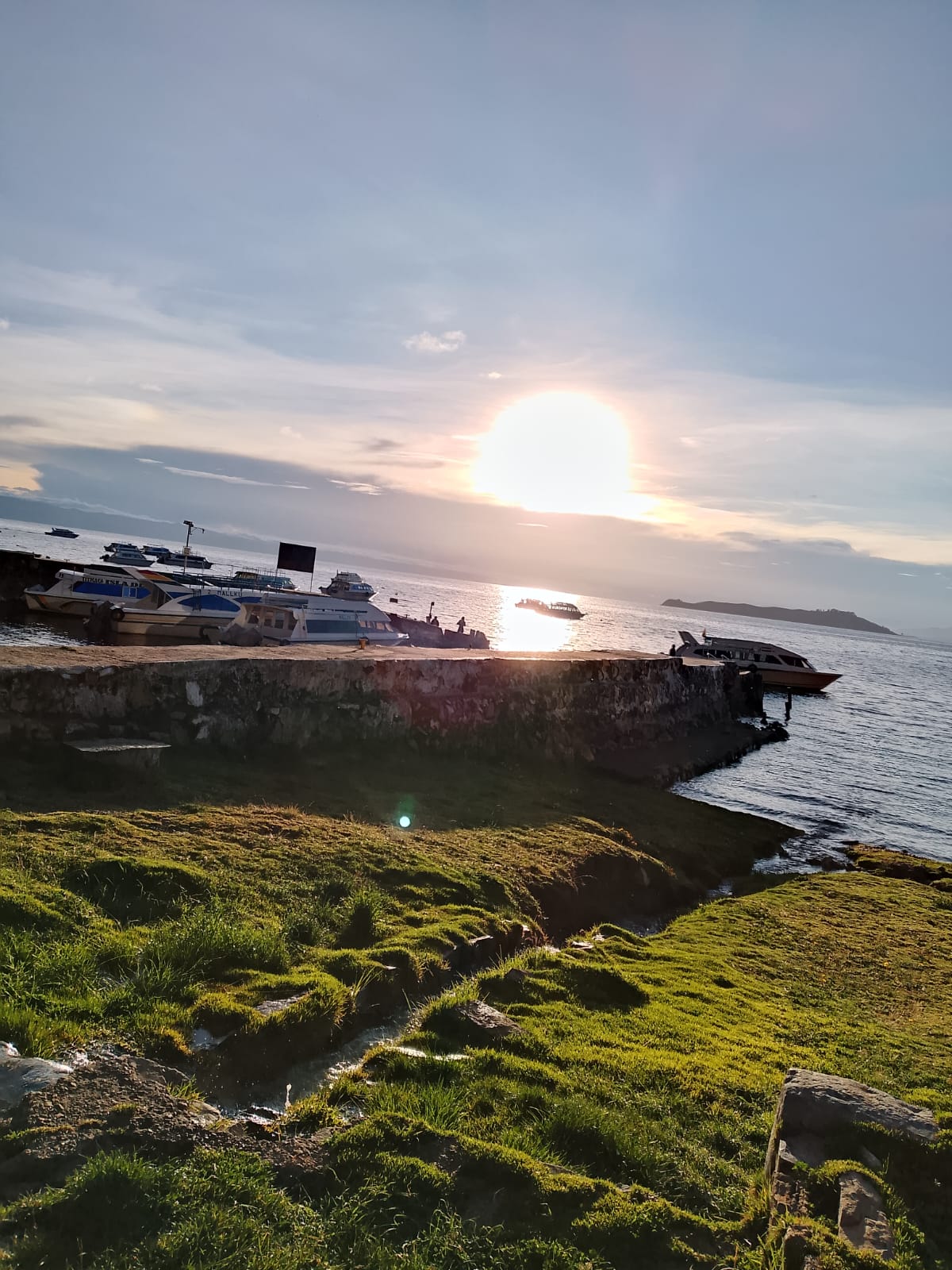
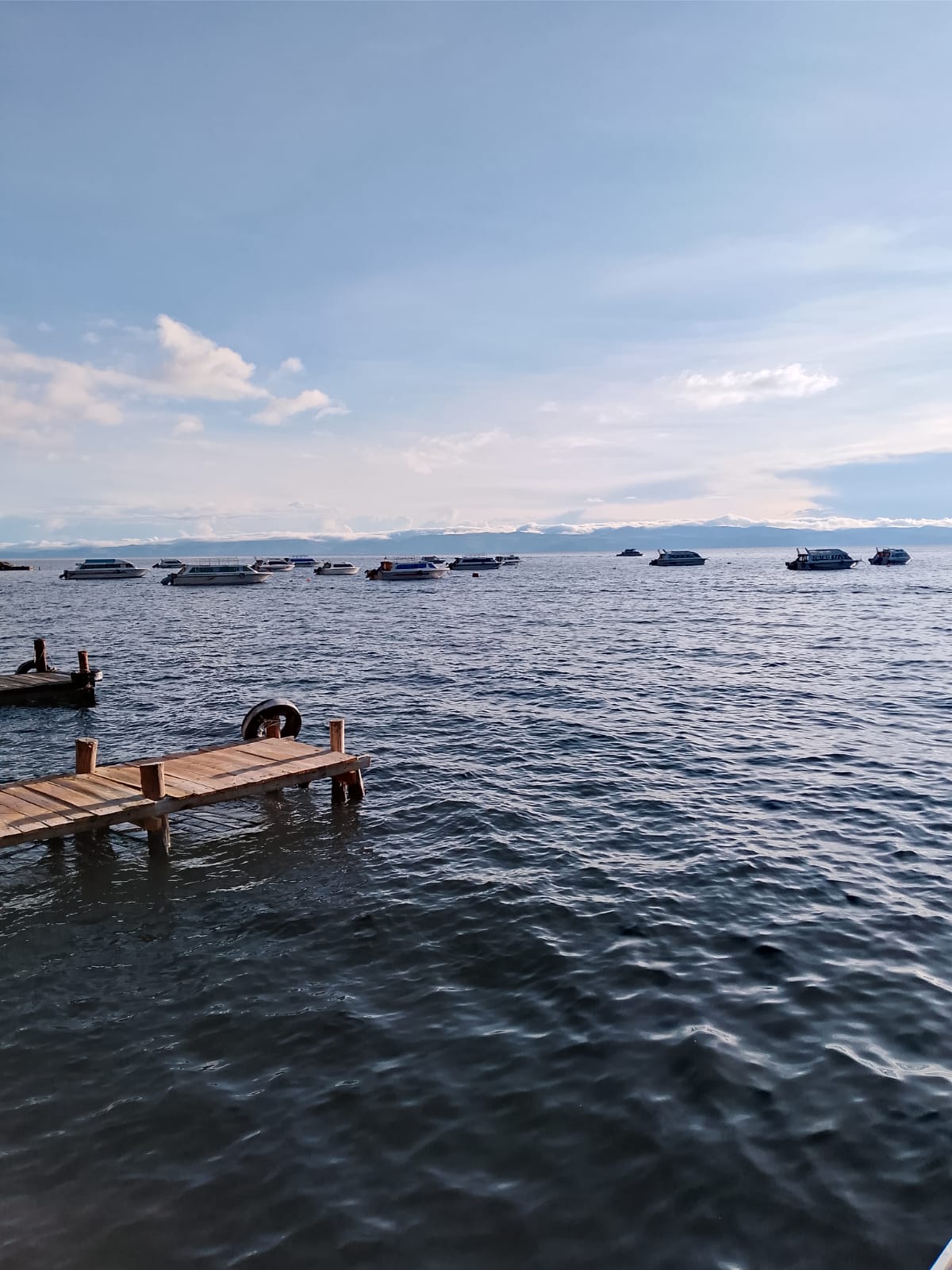
- Sail on Lake Titicaca
- Sun Island
- Yumani (Southern Part)
- 30 minute walk
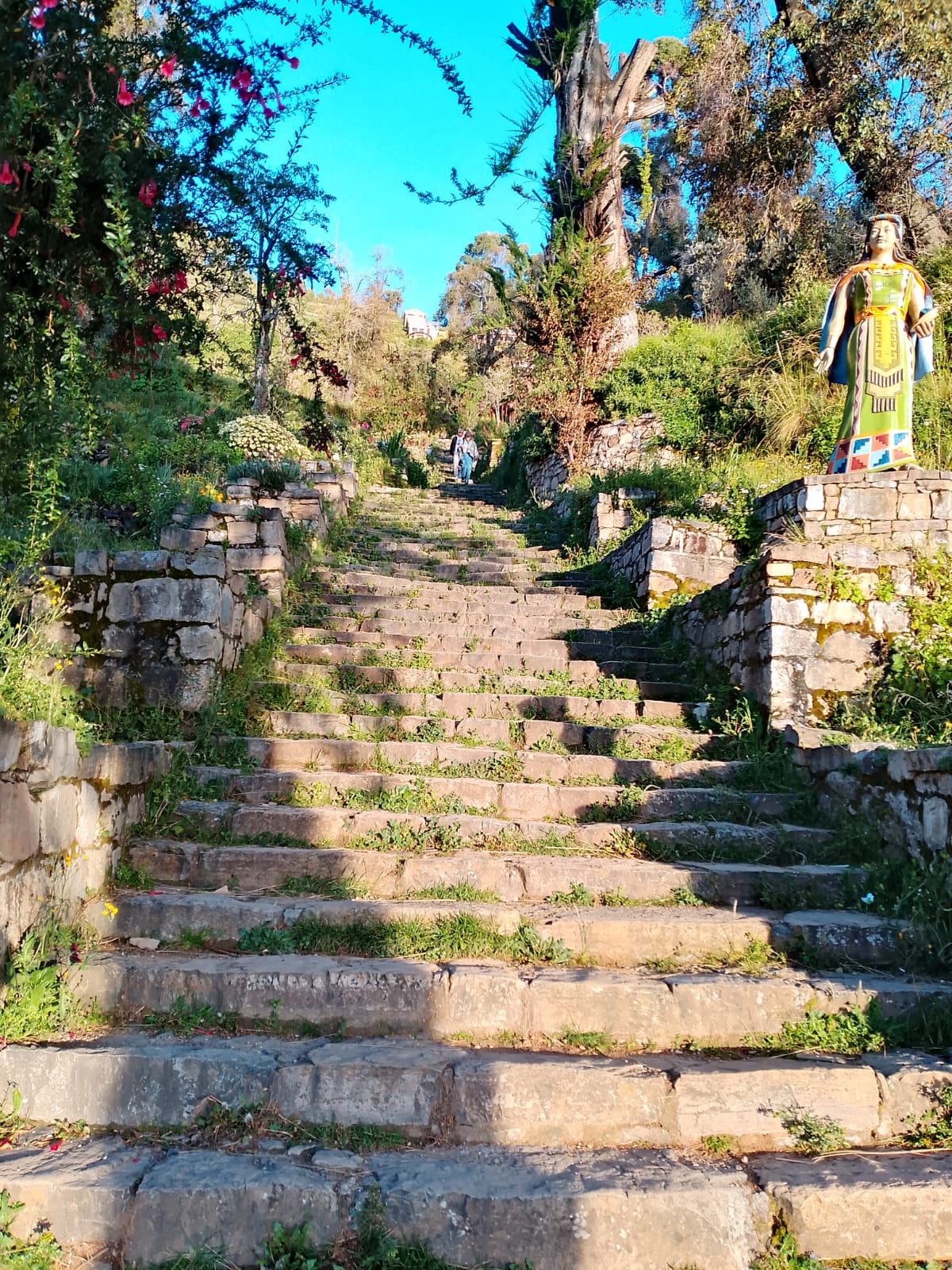
- Inca Stairs
- Fountain of youth
- Pilkokaina Palace
- Photos with llamas along the way
- Copacabana return (public transportation)
- Return to La Paz
Tour Includes
- ✓Round trip transportation
- ✓(Tourist and Public)
- ✓Lunch
- ✓Guide (English and Spanish)
- ✓Boat (Sun Island)
Tour Does Not Include
- ✗Extra Drinks, Dinner
- ✗Strait of Tiquina Bs. 3
- ✗Isla del Sol, National: Bs. 5 - Foreigners: Bs. 20
- ✗Tips to the guides
(Coming soon)
👑 Private Tour - Exclusive Benefits
Choose the time that suits you best
More comfortable and without sharing with strangers
100% dedicated attention to you
No rush, for the photos you want
Ideal for families, couples or friends
Contact us for a personalized quote
Copacabana TOUR DE 1 DÍA
Copacabana is the main Bolivian town on the shores of Lake Titicaca, the highest navigable lake in the world. This city, located 3,841 meters above sea level, is much more than a point on the map; It is a place of deep spirituality and the threshold to one of the most sacred sites in the Andean world: the Island of the Sun.
The City of Copacabana: Faith and Tradition
The city breathes an atmosphere of pilgrimage and devotion that dates back to pre-Hispanic times. Before the arrival of the Spanish, it was already a port from which pilgrims left for the sacred islands of the Sun and the Moon. Today, its heart is the Basilica of Our Lady of Copacabana, an imposing 16th century sanctuary that houses the Virgin of Copacabana, the patron saint of Bolivia.
The story of this virgin is shrouded in legend. It is said that some Inca fishermen, caught in a storm on the lake, were saved by the appearance of the Virgin. In gratitude, they commissioned a statue from Francisco Yupanqui, a descendant of the Inca nobility, who carved it with indigenous features. This image, more than a meter high, became so miraculous that its fame spread throughout the region. The devotion is so intense that the faithful leave the basilica walking backwards so as not to turn their backs on it. The festivities in their honor, especially in August, are a burst of color and tradition, where dances and rituals are mixed that tell the story of the conquest and keep the indigenous heritage alive.
The Island of the Sun: Cradle of the Inca Empire
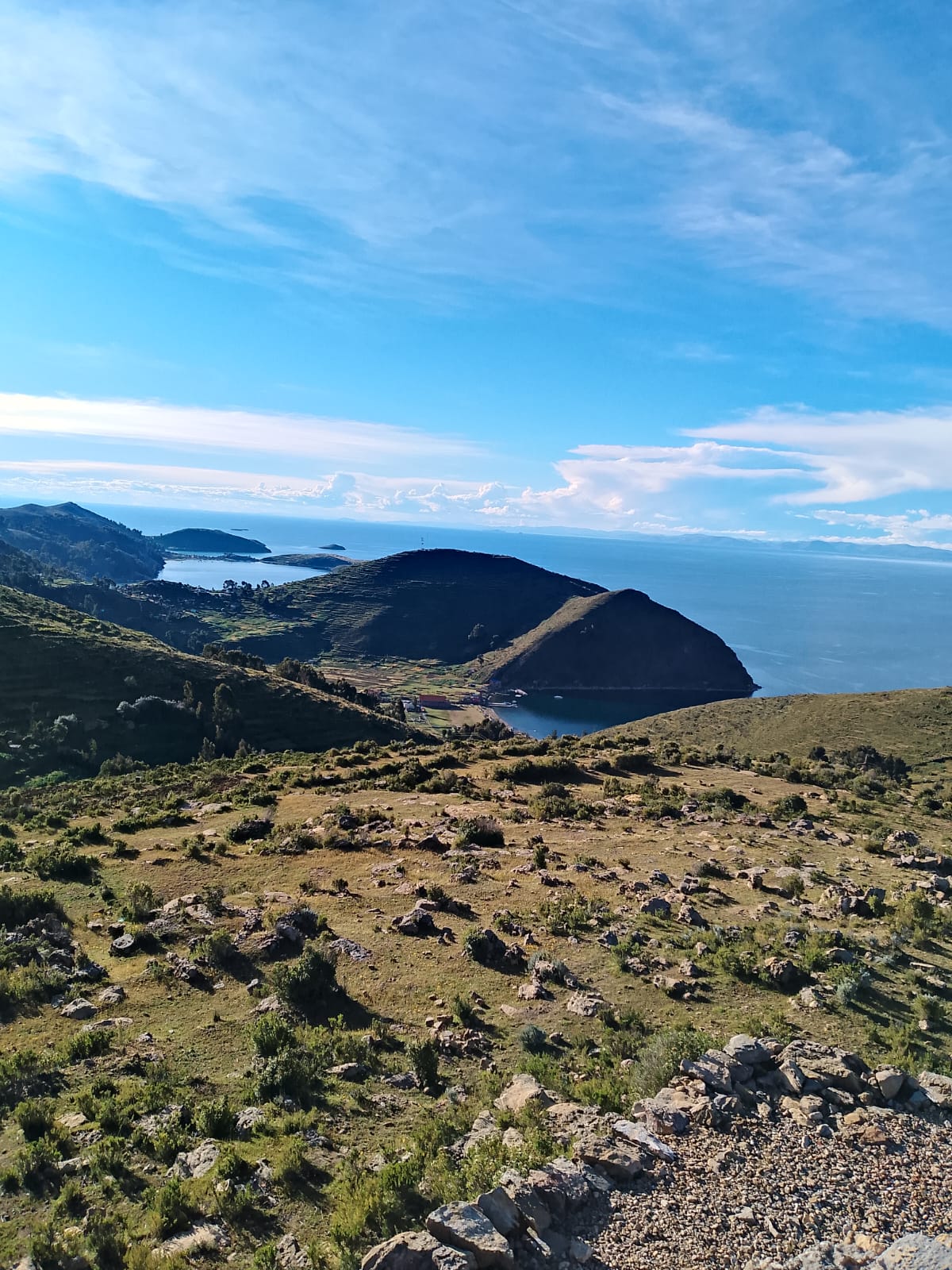
From Copacabana, boats cross the deep blue waters of Titicaca towards Isla del Sol, the largest island in the lake. With an area of 14.3 km² and a length of almost 10 kilometers, it is a territory of rugged relief, with hills that reach 4,075 meters high and slopes stepped by ancient Inca cultivation terraces.
The Myth of Origins
The spiritual power of the Sun Island is its most fascinating feature. For the Inca worldview, this is not just any place: it is the cradle of the Inca Empire. Legend has it that from a sandstone rock formation known as Titikala or Sacred Rock, the first human beings and the children of the Sun god (Inti) emerged: Manco Cápac and Mama Ocllo. The Sun god entrusted them with the mission of civilizing the people and founding a great empire. Taking a golden rod, they walked until they found the place where it sank into the earth, which turned out to be the Valley of Cusco, the future capital of the empire. Another myth describes it as the first land to emerge after a great flood, from where the Sun once again illuminated the sky.
An Open Air Museum
The island is a vast archaeological site with more than 80 ruins attesting to human occupation dating back to at least 2200 BC. . Among the most notable remains, all of them at more than 3,800 meters above sea level, are:
The Sacred Rock (Titikala): The rock where, according to tradition, the founders of the empire were born. It is a pilgrimage site and the most sacred point on the island.
The Chinkana Temple: Known as "the labyrinth", it is a stone construction with underground corridors and vaults. It is believed that it was a ceremonial place used for meditation and the initiation of priests of the Sun cult.
The Pilkokaina Palace: In the south of the island, this Inca palace stands out for its enormous stone blocks and its main door, which carves the figure of the Nevado Illampu.
The Fountain of Youth is not in the town of Copacabana, but on the Isla del Sol, within Lake Titicaca, and is reached after a boat trip of approximately an hour and a half. It is a sacred spring of Inca origin, formed by the union of three springs of crystalline water that, according to the Andean worldview, represent the three ethical principles (Ama Sua, Ama Llulla, Ama Quella: do not steal, do not lie, do not be lazy). Local tradition states that drinking its waters or wetting your head and face with them has healing and rejuvenating properties, hence its popular name. To access the fountain, tourists must walk the Yumani Stairway, an ancient cobblestone path of pre-Columbian origin with more than 200 steps that descends from the top of the island to the shore of the lake; This hike is demanding due to the altitude (more than 3,800 meters above sea level) and the slope, so it is recommended to do it calmly, bring water and sun protection. Upon arrival, many visitors fill their bottles with water or moisten their foreheads as a symbolic ritual, and local guides often explain that, beyond the legend, true "rejuvenation" lies in the spiritual connection with nature and the ancestral culture of the place.
In its two main towns, Challapampa (north) and Yumani (south), there live around 800 families of Quechua and Aymara origin who keep their traditions alive. The island's economy is based on tourism, trout fishing and the terrace cultivation of products such as quinoa and beans, all without motor vehicles and in a dream landscape watched over by the snow-capped peaks of the Andes Mountains.