MORE INFORMATION
FIRST DAY:
- I pick up La Paz
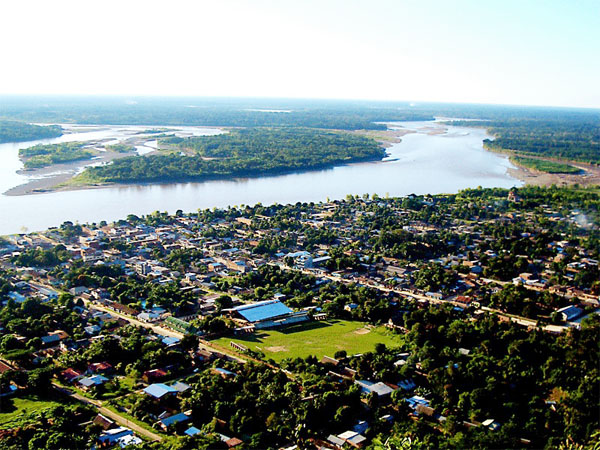
- Arrival in Rurrenabaque
- Breakfast
- Jeep trip to Santa Rosa de Yacumo
- Lunch
- Boat trip to the camp
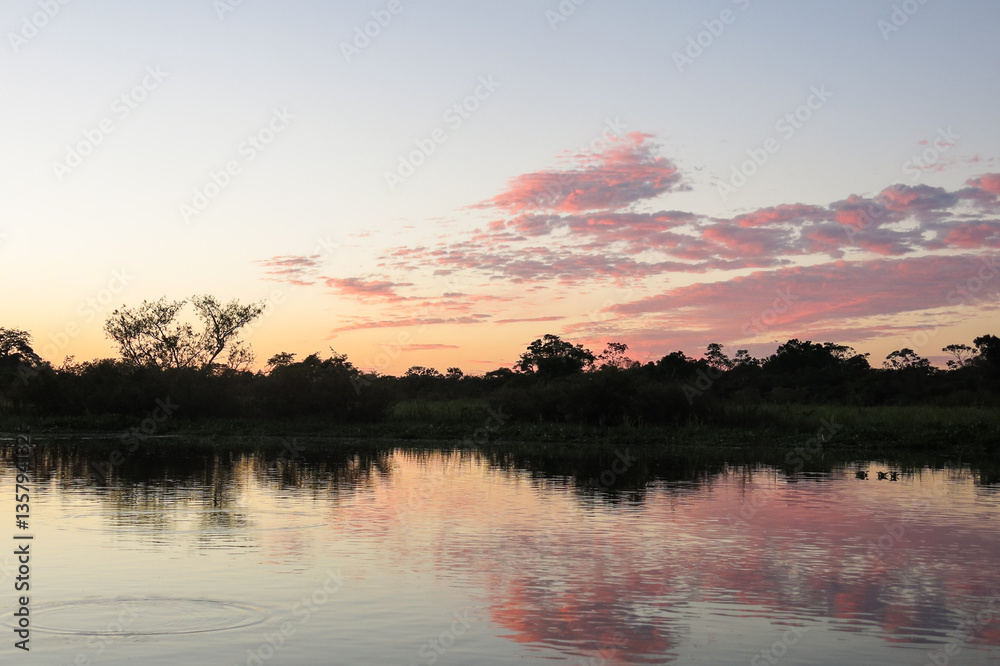
- Boat ride into the sunset
- Night expedition
- Dinner
- Rest
SECOND DAY:
- Breakfast
- Walk to the pampas
- Search for snakes and anacondas
- Lunch
- Swim with the Bufeos
- Dinner
THIRD DAY:
- Walk to see the sunrise
- Breakfast
- Piranha fishing
- Lunch
- Return to Rurrenabaque by jeep
- Return to La Paz
Tour Includes
- ✓Public transportation round trip
- ✓Semi-sleeper bus (optional sleeper bus + Bs. 50)
- ✓Jeep 4x4 (Rurrenabaque - Santa Rosa)
- ✓motor boat
- ✓3 Lunches - 2 breakfasts - 2 dinners
- ✓Shared accommodation
- ✓Native guide in Spanish - (basic English)
- ✓Driver in Spanish - (basic English)
- ✓Boots
- ✓Mineral water
- ✓First aid equipment
- ✓fishing equipment
Tour Does Not Include
- ✗Entrance ticket to the Pampas National Park: Nationals: Bs. 60 - Foreigners: Bs. 210
- ✗Drinks
- ✗Extra food
(Coming soon)
👑 Private Tour - Exclusive Benefits
Choose the time that suits you best
More comfortable and without sharing with strangers
100% dedicated attention to you
No rush, for the photos you want
Ideal for families, couples or friends
Contact us for a personalized quote
Pampas de Yacuma TOUR DE 3 DÍAS Y 2 NOCHES
The Beni Natural Zoo: Savannahs, Rivers and Pink Dolphins in their Habitat
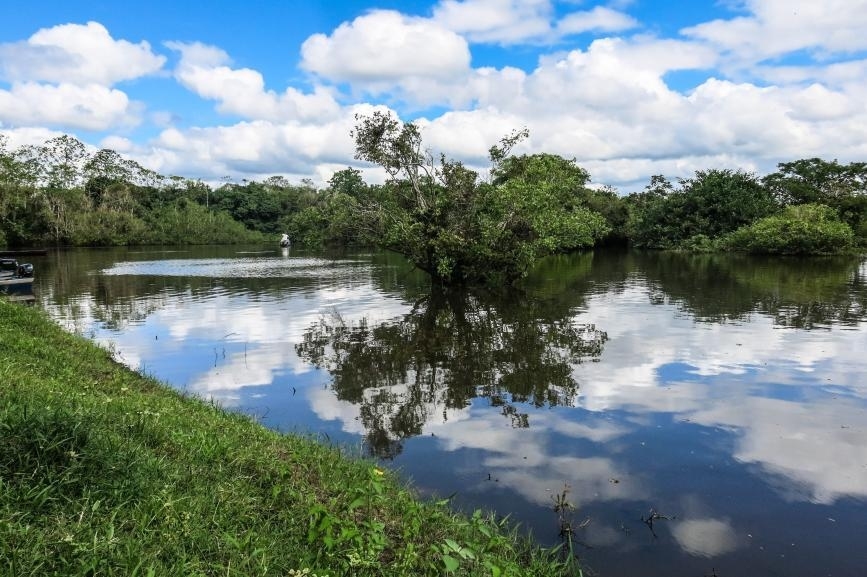
At 263 meters above sea level, in the heart of the Beni department, extends the Pampas del Río Yacuma Municipal Protected Area, one of the largest municipal reserves in the world with its 616,453 hectares of flooded savannahs, wetlands and gallery forests. This green plain paradise, which resembles an open-air zoo, is the ideal destination to observe wildlife in its natural habitat without having to enter the closed jungle. ?
The most fascinating legend of these waters is that of the pink dolphin or bufeo, as the locals call it. The name "bufeo" does not come from any particular indigenous language: it is the onomatopoeia of the sound that the dolphin makes when cleaning the water from its blowhole, a sound that resembles a sneeze or a wet clearing of the throat. The indigenous people say that the pink dolphins were young warriors transformed by the gods and condemned to live in the rivers. On full moon nights or during the June festivities, they turn into attractive men dressed in white, with a straw hat that hides their blowhole, to seduce young women who bathe alone on the shore. For this reason, residents still ask strangers to take off their hats to make sure they are not an enchanted dolphin.
The climate here is tropical humid and hot. Temperatures range between 27°C and 35°C throughout the year. The humidity is overwhelming, especially in the rainy season (November to April), when precipitation transforms the pampas into an ocean of fresh water and the roads become difficult to navigate. The best time to visit is during the dry season (May to October), when animals concentrate on the banks of the rivers and wildlife observation is easier. The heat can be intense: during heat waves, temperatures have exceeded 40°C, and songbirds have been panting in the heat since eight in the morning.
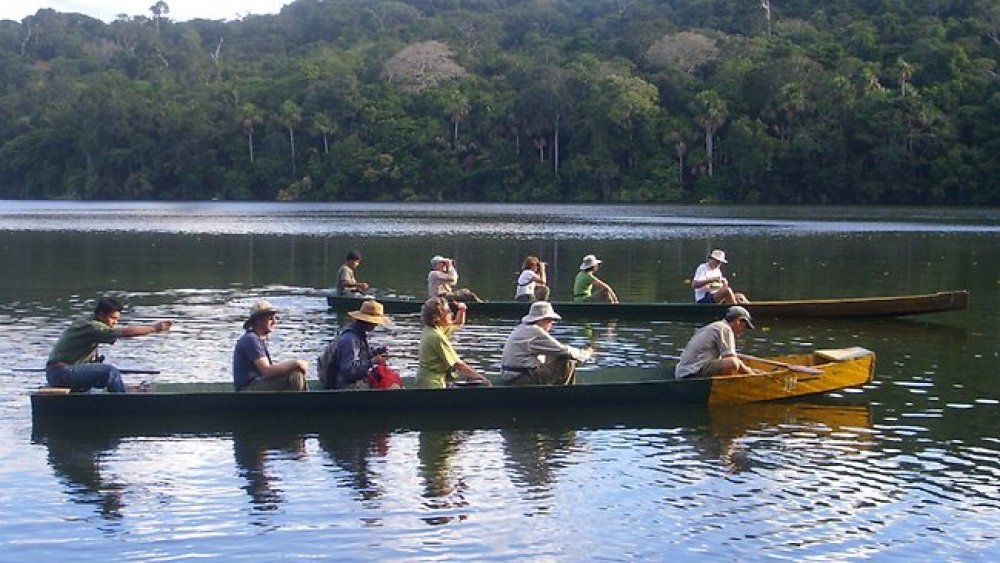
The most striking thing about the Pampas del Yacuma is the ease with which wildlife can be observed. The Yacuma River is the common thread of the experience. From the canoes, unforgettable scenes appear around every bend: pink dolphins glide between the reeds, emerging from the murky water with their impossible salmon color. These freshwater dolphins, the largest in the world, can measure up to 2.8 meters and weigh 180 kilos. Their eyes are small because the murky water of the river does not allow them to see beyond a few centimeters, and their shovel-shaped fins give them exceptional maneuverability. Its pink color is genetically determined, but its intensity depends on the animal's physical activity. Watching them play in the eddies or chase schools of piranhas is a unique spectacle.
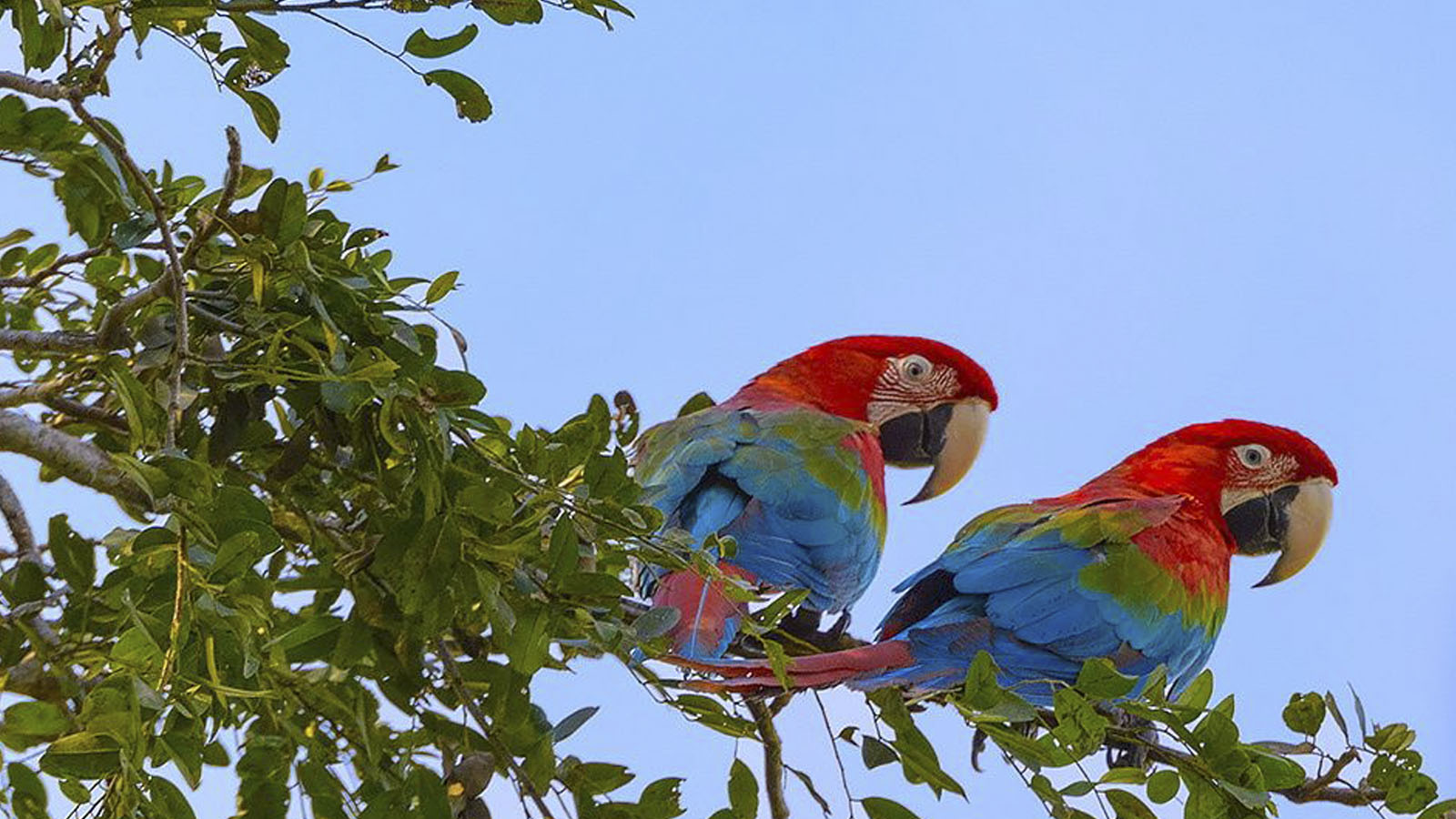
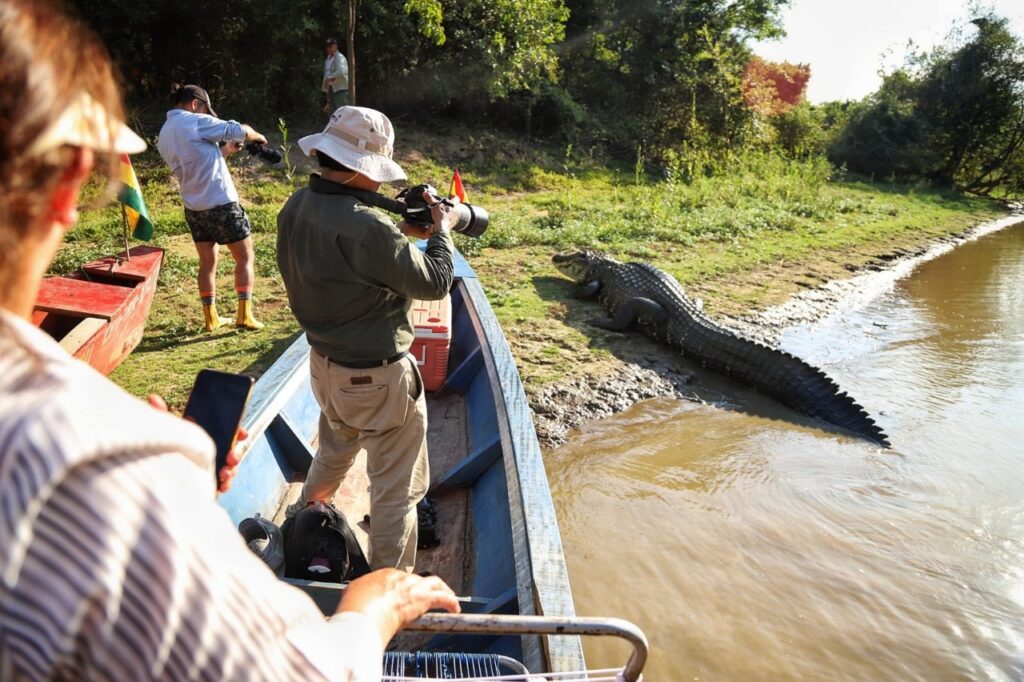
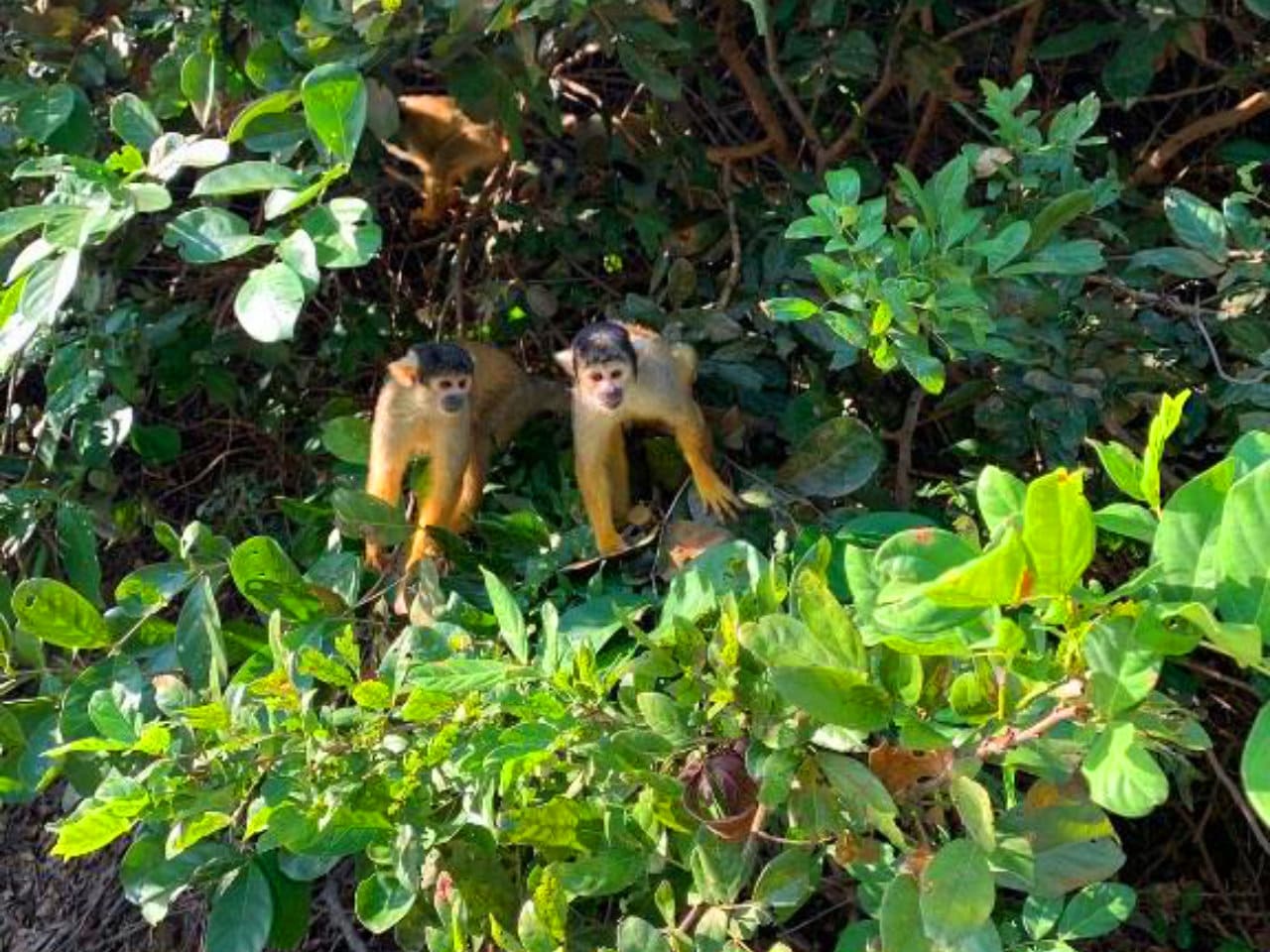
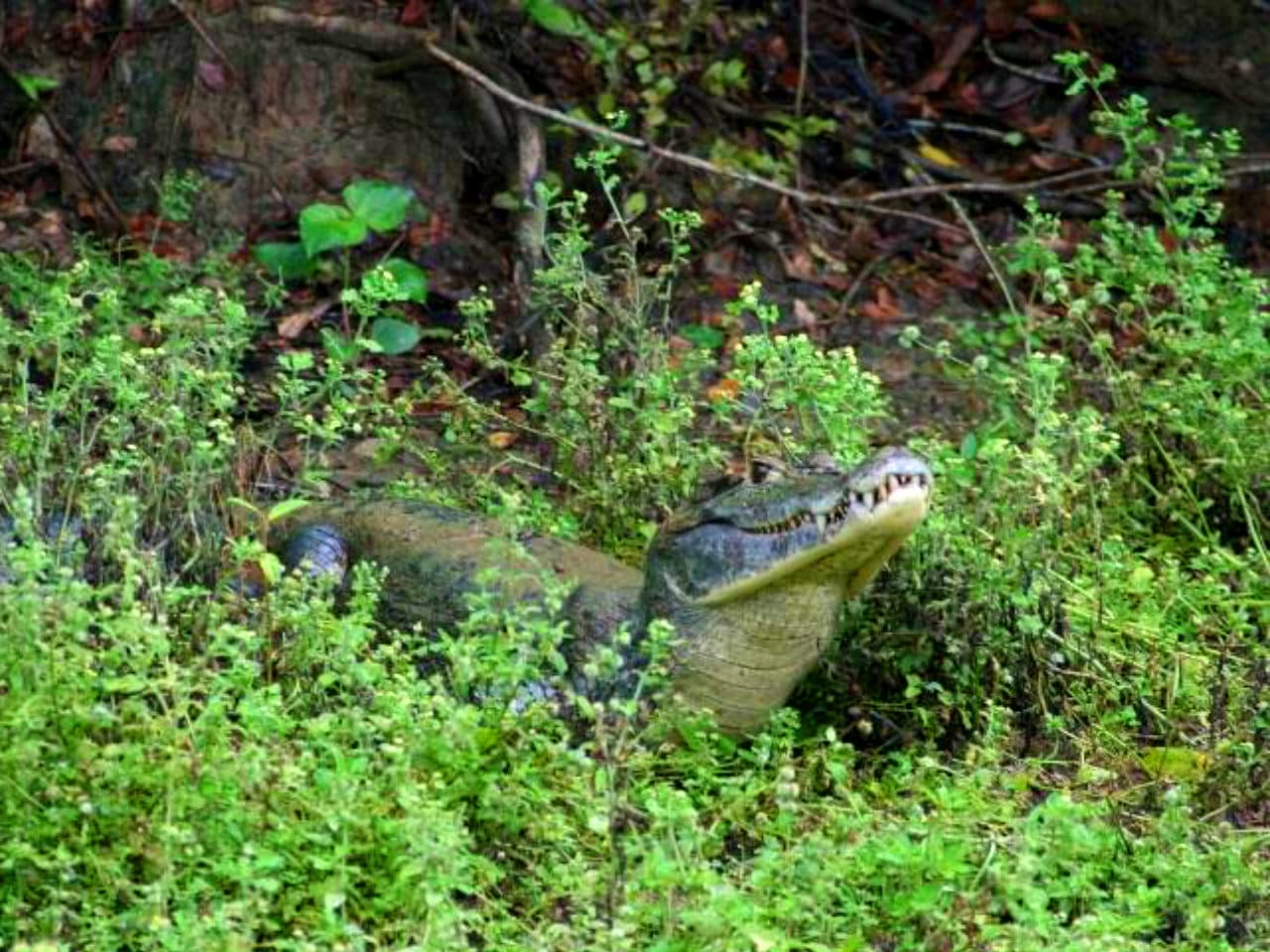
Alligators rest on sandy beaches like logs with eyes, sometimes dozens of them, motionless under the scorching sun. Capybaras, the largest rodents in the world, move in family groups among aquatic vegetation. Monkeys jump from tree to tree and, if you are careless, they can check your pockets. In the treetops, toucans, macaws, herons, jabirús and kingfishers show their unexpected colors. And in the depths, the anaconda gets tangled in fallen trees, although it is more elusive and difficult to spot.
The biodiversity of the place is amazing. The Pampas of Yacuma are home to species endemic to Bolivia, such as the ashy lucachi monkey and the reddish lucachi monkey, and the blue-bearded macaw, a macaw that only exists in this region. You can also spot the swamp deer, the giant anteater, the jaguar, the black caiman and the river turtle. Indicator species of grassland health such as the tuft-tailed tyrant and long-tailed tyrant are common. Biologists have recorded seven new species of fish for Bolivia in this area, and even a new lizard for science.
The night in the Pampas del Yacuma is another world. The temperature drops to just 22°C or 24°C, but the humidity is still thick. Alligators become more active; It's your hunting time. The bats come out of their shelters. And giant crickets and tree frogs take control of the soundtrack, while the Milky Way reflects in the calm waters. Some lodges offer night safaris where you can see the alligators' eyes glowing in the dark like little red beacons. The experience of sleeping in a wooden lodge, without electricity, only with the constant murmur of the river moving in the darkness, is unforgettable.
The Pampas of Yacuma are a place of contrasts and balance. Local ranchers, who have lived with this nature for generations, see how climate change affects rainfall and droughts, and how extensive fires threaten the ecosystem. But they are also the first to commit to conservation: the protected area was created in 2007 with the support of communities and cooperators, and today it receives about 16,000 visitors a year. Traveling to the Pampas del Yacuma is not just an adventure; It is an immersion in a landscape where everything depends on water, and where the balance of life is played out every day between the heat, the rain and the will of those who inhabit this corner of the Bolivian Amazon.